

PollenScoutTM commercial-grade pollination monitoring
Precision pollination
Pollination is a critical determinant of yield with a big impact on the bottom line.
Is manual monitoring really sufficient?
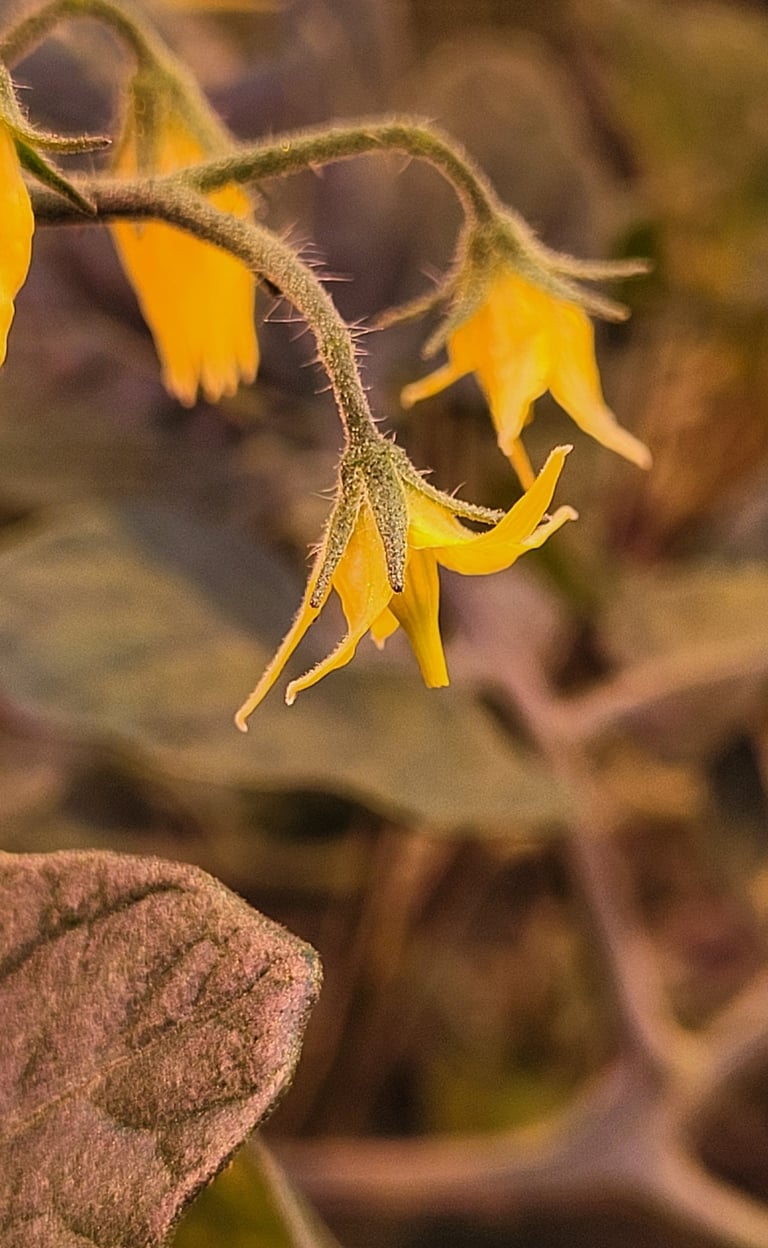
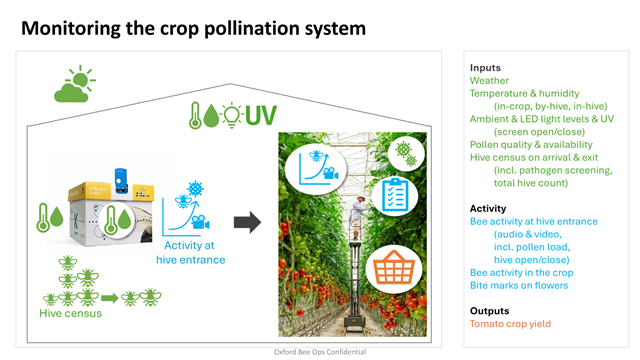
In tomato crops, pollination levels are monitored by visually inspecting flower bruising (“bite marks”); this is:
difficult, subjective, and labour‑intensive
potentially damaging to the setting fruit
doesn’t tell you if you’re wasting money by over-stocking pollinators
isn’t automatically recorded, aggregated and made available for decision-making in a dashboard
doesn’t forecast hive stocking requirements based on weather and plant data.
There is a better way.
Our services
We love to help growers implement precision pollination. We support you every step of the way and provide ongoing consultancy to help you gain the benefits of optimised pollination.
Our products
We recommend growers deploy PollenScout hive camera for real-time precision management of pollination. If you use supplementary lighting, it may be useful to deploy PollenScout crop camera as well to manage with shifted flower opening cycles.
Our products
Optimising plant-pollinator interactions requires an integrated view. Our PollenScout solution aggregates data from all our different device types into a single portal that gives you the insights you need into pollination performance, pollinator behaviour, and plant cycles, enriched with weather and environmental data.
PollenScout hive camera
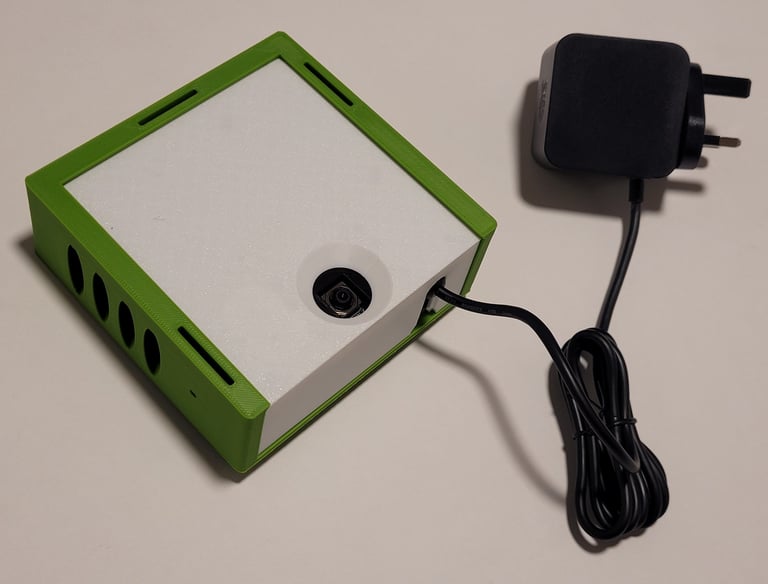
Our flagship product delivers the single most compelling insight and the most direct measure of pollination performance: the rate of pollen collection.
PollenScout crop camera
Crop camera monitors both the flowering cycle and the bees interaction with the flowers, to give us insight into the most challenging problems.
All our products can carry optional environmental sensors to capture temperature, humidity, pressure, visible & UV light.
Environmental sensors
PollenScout hive camera
Our flagship product delivers the single most compelling insight: it measures the rate of pollen collection. This is the most direct measure of pollinator performance. If this measure is “green” then you know that your plant-pollinator system is functioning end-to-end.
Hive camera uses continuous video monitoring at the hive entrance to count the number of bees leaving and returning, and identifies whether they are carrying pollen. You can immediately see whether pollination is happening, and you can see when in the day and where in the glasshouse it is happening. We enrich the data with geospatial context, identifying hive locations and which crop variety they are in. We see major differences in pollinator performance in different varieties – and different varieties require different stocking densities. Real time monitoring with hive camera radically improves your ability to optimise pollination.
You can also use hive camera to test management interventions quickly and to make evidence-based decisions on best practice. Is it better to open the hives on arrival or let them settle for a day before opening? Do they perform better on gantries, shelves or on the ground under the crop? If I increase or reduce the stocking density, what happens? If I open the energy screen for 2 hours a day, what happens?
We recommend deploying 2-4 hive cameras per hectare.
PollenScout crop camera
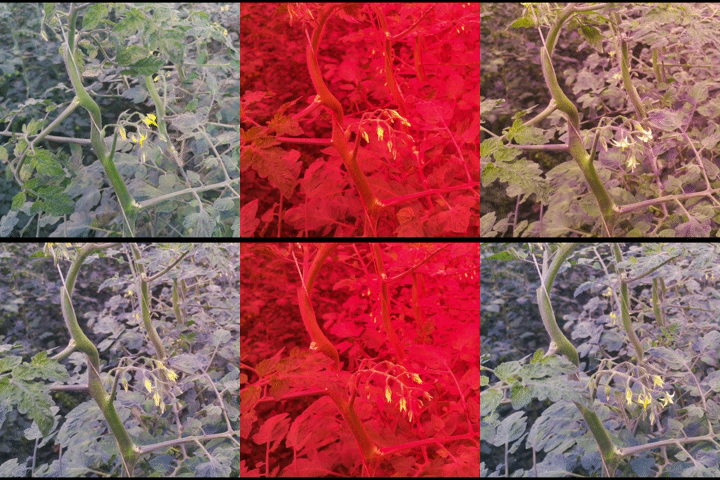
If hive camera shows a problem with pollination, it may be a simple problem or it may be a subtle interaction. Crop camera monitors both the flowering cycle and the bees direct interaction with the flowers. This can help you understand whether it is an issue related to supplementary lighting, or humidity, or varietal preference. Like hive camera, crop camera use continuous video monitoring to provide real-time insight.
PollenScout hive audio
Hive audio uses audio to track individual bees leaving and returning to the hive. It provides a scalable way to monitor a larger number of hives, with 6 “lapel microphones” attached to each device. If you just need to get a sense of activity at scale, hive audio is a good answer, but it doesn't provide pollen collection rates, which we've found to be a critical insight.
Environmental sensors
All of our products can be configured to carry optional environmental sensors. We recommend at least one device in every climate compartment has an integrated temperature, humidity & pressure sensor. If you’re using an energy screen that may affect bumblebee navigation, we would also recommend a visible & UV light sensor.
PollenScout tag tracker
Tag tracker is primarily a tool for fundamental research and we love the really deep insights it provides. You can tag individual bees and look at how each individual behaves, how long each foraging trip is, whether it comes back with pollen, and so on. If you need to go deep, this is a fantastic tool.
Oxford Bee Ops 2026
Registered in England and Wales. Company Registration Number: 14986625
Registered office: Longworth, Oxford, OX13 5DZ, UNITED KINGDOM.